
What Are Dental Implants? From Missing Teeth to a Permanent Smile
Missing teeth can affect far more than your appearance. They can make it harder to chew, impact your speech, reduce your confidence, and even contribute to jawbone loss over time. That's why so many patients ask us the same question: what are dental implants?
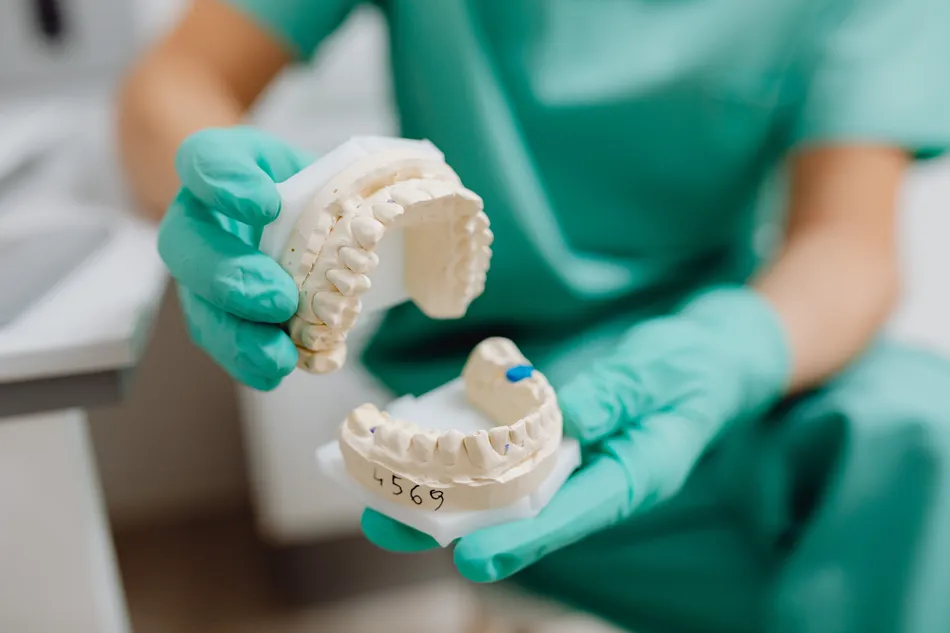
Dental implants have become one of the most popular and effective tooth replacement options available in modern dentistry. They look natural, function like real teeth, and can often last for decades with proper care.
As dentists specializing in cosmetic and restorative dentistry, we help patients understand their options every day. In this guide, we'll explain what dental implants are, how they work, who qualifies for treatment, and why so many people consider them the gold standard for replacing missing teeth.
What Are Dental Implants?
At their core, dental implants are artificial tooth roots that are surgically placed into the jawbone.
Unlike dentures or traditional bridges, implants replace both the visible tooth and the root structure underneath.
A dental implant typically consists of three parts:
The Implant Post
The implant post is usually made of titanium or zirconia and is placed into the jawbone.
Over time, the surrounding bone fuses with the implant through a process called osseointegration.
The Abutment
The abutment connects the implant post to the final restoration.
The Crown, Bridge, or Denture
The final restoration is custom-made to match the appearance of your natural teeth.
According to the Mayo Clinic's guide to dental implant surgery, implants are designed to provide a stable, long-lasting foundation for replacement teeth while helping preserve jawbone health.
Why Are Dental Implants So Popular?
Dental implants have become increasingly common because they solve several problems associated with missing teeth.
Natural Appearance
Modern implants are designed to closely resemble natural teeth.
Strong Chewing Function
Because implants are anchored directly into the jawbone, they often provide greater stability than removable alternatives.
Bone Preservation
One of the biggest advantages of implants is their ability to help preserve jawbone structure.
When a tooth is lost, the surrounding bone begins shrinking due to lack of stimulation.
Implants help reduce this bone loss.
Long-Term Durability
With proper care, implants can often last decades.
How Do Dental Implants Work?
The dental implants process involves integrating the implant into the jawbone.
Once healing is complete, the implant functions much like a natural tooth root.
Unlike removable dentures, implants become a stable part of your mouth.
Patients often report that implant-supported restorations feel significantly more natural than other tooth replacement options.
Who Is a Candidate for Dental Implants?
Many people are surprised to learn how many patients qualify for implant treatment.
Good candidates often include:
- Adults missing one or more teeth
- Patients with healthy gums
- Individuals with sufficient jawbone
- Patients seeking long-term tooth replacement
Even many patients who initially think they are not candidates may still qualify after additional treatment.
Dental Implants With Bone Graft: What If You Don't Have Enough Bone?
One concern many patients have is whether they have enough jawbone for implants.
Why Bone Matters
Dental implants rely on healthy jawbone support.
If significant bone loss has occurred, additional treatment may be necessary.
Dental Implants Bone Graft Procedures
A dental implants bone graft procedure helps rebuild lost bone.
During the procedure, bone material is placed in areas where additional support is needed.
After healing, implant placement can often proceed successfully.
Are Dental Implants With Bone Graft Common?
Yes.
Many patients successfully receive dental implants with bone graft procedures before implant placement.
Bone grafting has helped expand implant eligibility for countless patients who otherwise would not have had enough bone support.
Dental Implants Molars: Replacing Back Teeth
Many patients lose molars before losing front teeth.
Why Dental Implants Molars Matter
Molars perform much of the chewing work in your mouth.
Missing molars can contribute to:
- Difficulty chewing
- Bite problems
- Tooth shifting
- Additional tooth loss
Replacing missing molars with implants can help restore proper function and improve long-term oral health.
Dental Implants for Dentures
Patients who wear traditional dentures often experience challenges such as:
- Slipping
- Movement while eating
- Reduced chewing efficiency
- Sore spots
How Dental Implants for Dentures Help
Dental implants for dentures provide additional stability by anchoring dentures directly to implants.
Benefits often include:
- Improved comfort
- Better chewing ability
- Enhanced confidence
- Reduced movement
Many denture wearers describe implant-supported dentures as life-changing.
Dental Implants All on 4
One of the most innovative treatment options available today is dental implants all on 4.
What Is All-on-4?
All-on-4 uses four strategically placed implants to support an entire arch of teeth.
Instead of replacing every missing tooth individually, four implants support a complete prosthetic arch.
Benefits of Dental Implants All on 4
- Fewer implants required
- Excellent stability
- Faster treatment in many cases
- Cost-effective full-arch replacement
For many patients considering dental implants whole mouth treatment, All-on-4 provides an excellent balance between function and affordability.
Dental Implants Full Mouth Solutions
Patients missing most or all of their teeth may require dental implants full mouth treatment.
What Does Full Mouth Implant Treatment Include?
Options may include:
- All-on-4 systems
- Implant-supported bridges
- Implant-supported dentures
- Multiple individual implants
Dental Implants Whole Mouth Reconstruction
A dental implants whole mouth restoration can dramatically improve:
- Appearance
- Chewing ability
- Speech
- Confidence
- Overall quality of life
Although treatment is more extensive, many patients consider the results well worth the investment.
Dental Implants Zirconium vs. Titanium
Most implants are made from titanium, but some patients ask about dental implants zirconium alternatives.
Titanium Implants
Advantages include:
- Long clinical history
- Extensive research support
- Excellent success rates
Dental Implants Zirconium
Advantages include:
- Metal-free design
- Tooth-colored appearance
- Attractive option for certain patients
Both materials can be effective depending on individual goals and preferences.
Dental Implants for Seniors
A common misconception is that older adults are too old for implants.
Are Dental Implants for Seniors Safe?
In many cases, yes.
Age alone rarely determines implant eligibility.
Many dental implants for seniors are placed successfully every year.
Why Seniors Choose Implants
Benefits often include:
- Improved nutrition
- Better chewing ability
- Enhanced confidence
- Greater denture stability
Health and bone quality are generally more important than age itself.
Understanding the Dental Implants Process
Patients frequently ask what treatment actually involves.
While every case is unique, the typical dental implants process includes:
Consultation
Your dental implants dentist evaluates your oral health and bone structure.
Treatment Planning
Digital imaging helps determine implant placement.
Implant Surgery
The implant is placed into the jawbone.
Healing
The implant integrates with the surrounding bone.
Final Restoration
A crown, bridge, or denture is attached to complete treatment.
If you'd like a more detailed breakdown, we recommend reading our guide on the process for dental implants and what really happens during each stage of treatment.
Dental Implants Financing Options
One reason some patients hesitate to pursue implants is cost.
Dental Implants Financing
Many practices offer dental implants financing to help make treatment more accessible.
Financing options may include:
- Monthly payment plans
- Third-party healthcare financing
- Flexible payment arrangements
Many patients are surprised to discover implants are more affordable than they initially expected when financing options are available.
Dental Implants Near Me: How to Choose the Right Provider
If you've searched online for dental implants near me, you've likely seen many treatment options.
When evaluating providers, consider:
- Experience with implant placement
- Technology used
- Treatment planning process
- Patient reviews
- Financing options
- Long-term follow-up care
Choosing the right provider can significantly impact your treatment experience and outcome.
Our Perspective at Vero Dental
At Vero Dental, we believe dental implants are one of the most transformative treatments available in modern dentistry.
The reason is simple: implants don't just replace missing teeth—they restore function, confidence, and quality of life.
Whether a patient needs:
- A single implant
- Dental implants molars
- Dental implants for dentures
- Dental implants all on 4
- Dental implants full mouth reconstruction
our goal is always the same: create a healthy, functional, natural-looking smile.
We also understand that the decision to pursue implants is significant. That's why we focus heavily on education and personalized treatment planning.
If you're interested in learning more about our dental implant services, we encourage scheduling a consultation to discuss your options and determine whether implants are right for you.
Frequently Asked Questions
What Are Dental Implants Made Of?
Most implants are made from titanium, although dental implants zirconium options are also available.
Are Dental Implants Permanent?
With proper care, implants can often last decades.
Are Dental Implants Better Than Dentures?
For many patients, implants provide superior stability, comfort, and chewing ability.
Do All Patients Need Bone Grafting?
No. However, some patients require dental implants with bone graft procedures to create adequate support.
Are Dental Implants for Seniors Common?
Yes. Many older adults successfully receive implants and enjoy significant improvements in quality of life.
Final Thoughts: What Are Dental Implants?
So, what are dental implants?
They are advanced tooth replacement solutions that replace both the visible tooth and the underlying root structure. They provide exceptional stability, help preserve jawbone health, and can restore the function and appearance of a natural smile.
Whether you're replacing a single missing tooth, exploring dental implants for dentures, considering dental implants all on 4, or researching dental implants whole mouth treatment, implants remain one of the most reliable and effective options available today.
For many patients, dental implants aren't simply a dental procedure—they're an investment in long-term oral health, confidence, and quality of life.
Related posts
Discover the art of enhancing your smile.
Do You Need a Second Dental Opinion? When Patients May Want One Before Major Treatment
A practical guide to getting a second dental opinion before major or complex treatment, including what another dentist can review and how to compare plans.


.webp)
Learn About Three Dentistry Heroines
WOMEN FACED AN uphill battle establishing themselves in many career...