
Process for Dental Implants: What Really Happens During Each Stage of Treatment
Losing a tooth can affect much more than your smile. Missing teeth can impact chewing, speech, confidence, and even the health of your jawbone. Fortunately, dental implants have become one of the most reliable and natural-looking solutions for replacing missing teeth.
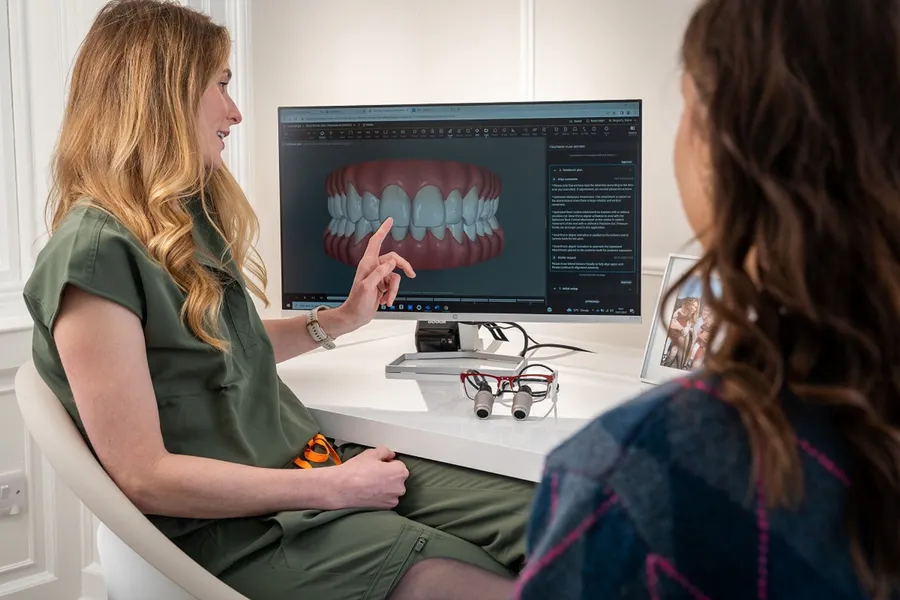
One of the most common questions we hear from patients is: "What is the process for dental implants?" The answer depends on your specific situation, but most implant treatments follow a similar path—from consultation and planning to implant placement and final restoration.
As dentists specializing in cosmetic and restorative dentistry, we help patients navigate the dental implants process every day. In this guide, we'll walk through each step, explain what to expect, discuss treatment timelines, and answer many of the common questions patients have before starting implant treatment.
What Are Dental Implants?
Before discussing the process for dental implants, it helps to understand what an implant actually is.
A dental implant consists of three primary parts:
- Implant post
- Abutment
- Dental crown
The implant post is placed into the jawbone where it functions like a natural tooth root. Once healing occurs, a custom restoration is attached to complete the replacement tooth.
According to the Mayo Clinic's overview of dental implant surgery, implants are designed to provide stable, long-lasting tooth replacement while helping preserve jawbone structure.
Because implants replace both the tooth and root, they offer significant advantages compared to bridges or removable dentures.
Step 1: Consultation and Evaluation
Every successful dental implants process begins with a comprehensive evaluation.
What Happens During the Consultation?
Your dental implants dentist will assess:
- Overall oral health
- Bone quality
- Gum health
- Existing restorations
- Medical history
Digital imaging is typically performed to evaluate the jawbone and determine implant placement.
Are You a Candidate for Dental Implants?
Most healthy adults are candidates for implants, including many patients considering:
- Dental implants molars
- Dental implants for seniors
- Dental implants for dentures
- Dental implants full mouth treatment
Age alone rarely disqualifies a patient from implant treatment.
Step 2: Treatment Planning
After your evaluation, a customized treatment plan is created.
Factors That Affect the Treatment Plan
Several variables influence the process:
- Number of missing teeth
- Bone volume
- Implant location
- Bite alignment
- Cosmetic goals
Some patients require only a single implant.
Others may need:
- Dental implants whole mouth reconstruction
- Dental implants all on 4 treatment
- Implant-supported dentures
- Bone grafting procedures
Every plan is customized to the patient's needs.
Step 3: Tooth Extraction (If Needed)
Not all patients require extractions.
However, if a damaged or failing tooth is still present, extraction is often the next step.
Can Implants Be Placed Immediately?
Sometimes.
In certain situations, implant placement can occur at the same appointment as extraction.
Other cases require healing time before implant placement begins.
Your dentist will determine the safest and most predictable approach.
Step 4: Dental Implants Bone Graft Procedures
One of the most important parts of the process for dental implants is ensuring there is enough bone to support the implant.
Why Bone Matters
Dental implants rely on jawbone support.
After tooth loss, the bone naturally begins shrinking over time.
If sufficient bone is unavailable, a dental implants bone graft procedure may be recommended.
What Is a Bone Graft?
A bone graft adds volume and density to the jawbone.
The goal is to create a stable foundation for implant placement.
Dental Implants With Bone Graft
Patients often worry when they hear they need dental implants with bone graft procedures.
However, bone grafting is extremely common and can dramatically improve long-term implant success.
According to the American Academy of Implant Dentistry, adequate bone support is one of the key factors in successful implant treatment.
Healing after grafting varies depending on the amount of bone required.
Step 5: Implant Placement Surgery
Once the jaw is ready, the implant can be placed.
What Happens During Implant Surgery?
During the procedure:
- The area is numbed.
- A small opening is created in the bone.
- The implant is inserted.
- The site is closed for healing.
Most patients are surprised by how comfortable the procedure actually is.
Many compare the recovery to a routine tooth extraction.
How Long Does Implant Surgery Take?
The appointment length varies depending on:
- Number of implants
- Complexity of treatment
- Whether additional procedures are performed
Single implants are often completed in under an hour.
Step 6: Osseointegration
This is one of the most important phases of the entire process for dental implants.
What Is Osseointegration?
Osseointegration is the process by which the implant fuses with the surrounding jawbone.
This biological connection creates the stability that makes implants so successful.
How Long Does Healing Take?
Most patients heal over several months.
Factors affecting healing include:
- Overall health
- Bone quality
- Smoking status
- Oral hygiene
While waiting can be frustrating, this healing period is critical to long-term success.
Step 7: Abutment Placement
After the implant integrates with the bone, an abutment is attached.
The abutment serves as the connector between the implant and the final restoration.
In some cases, the abutment is placed during implant surgery.
In others, it is added after healing.
Step 8: Final Restoration
The final step in the process for dental implants is attaching the restoration.
Types of Restorations
Depending on the situation, the restoration may be:
- A crown
- A bridge
- A denture
- A full arch prosthesis
Once completed, the restoration is designed to look and function like a natural tooth.
For many patients, this is the moment when the entire treatment finally feels complete.
Dental Implants Molars: Is the Process Different?
Many patients lose back teeth first and wonder whether the process changes for dental implants molars.
The basic process remains the same.
However, molars often experience greater chewing forces, which makes precise treatment planning especially important.
Replacing missing molars can:
- Improve chewing efficiency
- Prevent tooth shifting
- Preserve jawbone
- Support overall bite function
Dental Implants for Dentures
Patients who wear dentures often wonder if implants can improve their experience.
Implant-Supported Dentures
Dental implants for dentures are becoming increasingly popular because they offer:
- Better stability
- Improved comfort
- Stronger bite force
- Increased confidence
Implant-supported dentures can dramatically improve quality of life for many patients.
Dental Implants All on 4
One of the most efficient full-arch solutions available today is dental implants all on 4.
What Is All-on-4?
This treatment uses four strategically placed implants to support an entire arch of teeth.
Instead of replacing every tooth individually, four implants provide support for a full prosthetic arch.
Advantages of All-on-4
- Fewer implants required
- Faster treatment
- Excellent stability
- Cost-effective full-arch replacement
For patients needing dental implants full mouth treatment, All-on-4 is often an attractive option.
Dental Implants Full Mouth and Dental Implants Whole Mouth Reconstruction
Patients missing most or all of their teeth may require:
- Dental implants full mouth treatment
- Dental implants whole mouth reconstruction
These treatments often involve:
- Multiple implants
- Implant-supported bridges
- All-on-4 systems
- Full arch restorations
While treatment is more extensive, the results can be life-changing.
Dental Implants Zirconium vs. Titanium
Patients occasionally ask about dental implants zirconium options.
Titanium Implants
Advantages include:
- Long clinical history
- Excellent success rates
- Extensive research support
Zirconium Implants
Advantages include:
- Metal-free design
- Tooth-colored appearance
- Alternative material choice
Both options can be effective depending on patient preferences and treatment goals.
Dental Implants for Seniors
One of the biggest myths surrounding implants is that older adults are not candidates.
Are Seniors Good Candidates?
Absolutely.
In fact, dental implants for seniors are increasingly common.
Many seniors choose implants because they provide:
- Improved nutrition
- Better chewing function
- Increased confidence
- Greater denture stability
Health and bone quality matter far more than age.
Dental Implants Financing and Cost Considerations
A common concern is affordability.
Dental Implants Financing Options
Many practices offer:
- Monthly payment plans
- Third-party financing
- Flexible payment options
Patients interested in understanding costs can learn more from our guide on what factors affect dental implant pricing.
Are Implants Worth the Investment?
While implants require a larger upfront investment than some alternatives, many patients find the long-term benefits well worth the cost.
Our Perspective at Vero Dental
At Vero Dental, we believe dental implants are one of the most transformative treatments available in modern dentistry.
The reason is simple: implants don't just replace teeth—they help restore confidence, function, and quality of life.
We understand that the process for dental implants can feel intimidating at first, especially if you've never undergone implant treatment before.
That's why our approach focuses heavily on patient education, clear communication, and customized treatment planning.
Whether you're considering a single implant, dental implants molars, dental implants for dentures, dental implants all on 4, or dental implants whole mouth reconstruction, our goal is to help you understand every step before treatment begins.
Patients interested in learning more about our dental implant services can schedule a consultation to discuss their options and determine whether implants are the right solution.
Dental Implants Near Me: What Questions Should You Ask?
Patients searching online for dental implants near me should consider asking providers:
- How many implants have you placed?
- What technology do you use?
- Do you perform bone grafting?
- What financing options are available?
- What does the complete treatment timeline look like?
The answers can help you make a more informed decision.
Frequently Asked Questions
How Long Does the Process for Dental Implants Take?
Treatment timelines vary but often range from several months to a year depending on healing and whether grafting is required.
Do All Patients Need a Bone Graft?
No. However, some patients require a dental implants bone graft procedure to create adequate support.
Is Implant Surgery Painful?
Most patients report less discomfort than they expected.
Are Dental Implants Permanent?
With proper care, implants can often last decades.
Can Seniors Get Dental Implants?
Yes. Many dental implants for seniors are placed successfully every year.
Final Thoughts on the Process for Dental Implants
Understanding the process for dental implants can help reduce anxiety and set realistic expectations.
While treatment requires time and planning, dental implants remain one of the most reliable and natural-looking solutions for replacing missing teeth. Whether you're replacing a single tooth, restoring dental implants molars, upgrading dentures, or pursuing dental implants full mouth reconstruction, the process is designed to create a stable, functional, and beautiful smile that can last for many years.
For most patients, the journey requires patience—but the final result is well worth it.
Related posts
Discover the art of enhancing your smile.

3 Incredible Women in Dental History
THROUGHOUT HISTORY, WOMEN have faced numerous challenges in pursuing their careers. Dentistry...


Dental Questions? We Have Answers.
If you have questions about oral health, cosmetic dentistry, preventative dentistry, bite issues, tooth implants...

5 Cues It's Time to See the Dentist
GUM DISEASE, TOOTH DECAY, and other oral health problems don't set...