
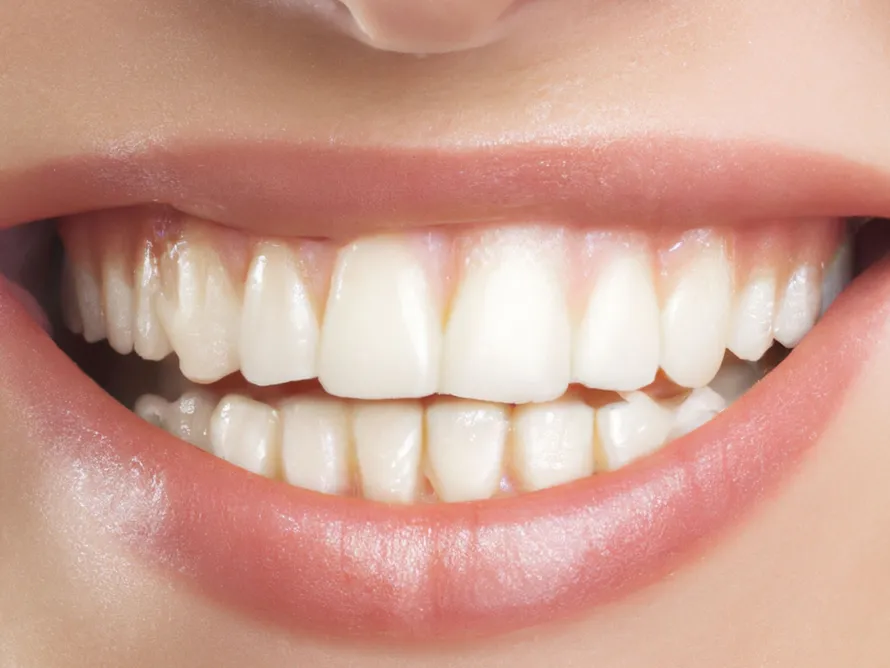
Whether you're using whitening toothpaste, teeth whitening strips, professional whitening treatments, or other teeth whitening products, temporary sensitivity can occur. For some people, it's a mild annoyance. For others, it can be uncomfortable enough to make them stop whitening altogether.
The good news is that whitening sensitivity is usually temporary, manageable, and often preventable. Understanding why it happens can help you continue working toward a brighter smile without unnecessary discomfort.
As dentists specializing in cosmetic and general dentistry, we frequently help patients overcome whitening sensitivity while still achieving excellent results. In this guide, we'll explain why teeth become sensitive during whitening, which whitening methods are most likely to cause discomfort, and what you can do to reduce sensitivity while safely whitening your teeth.
Why Do Sensitive Teeth When Whitening Occur?
Many patients assume sensitivity means something has gone wrong. In reality, some degree of temporary sensitivity is one of the most common side effects of whitening.
The Science Behind Whitening Sensitivity
Most whitening treatments use either:
- Hydrogen peroxide
- Carbamide peroxide
These ingredients act as a form of teeth whitening bleach, penetrating the enamel and breaking apart stain molecules inside the tooth.
While this process is highly effective, it can temporarily irritate the microscopic nerve endings inside the tooth.
According to research published through the National Library of Medicine, peroxide-based whitening remains one of the most effective cosmetic dental treatments available, but temporary sensitivity is a known and well-documented side effect.
Is Sensitivity Normal During Whitening?
In most cases, yes.
Patients commonly experience:
- Brief sharp sensations
- Increased cold sensitivity
- Mild discomfort after treatment
- Temporary tooth "zingers"
These symptoms usually resolve within hours or days.
According to Johns Hopkins Medicine, tooth sensitivity is among the most common side effects associated with whitening treatments and typically subsides shortly after treatment ends.
You can learn more about whitening safety from Johns Hopkins here:
https://www.hopkinsmedicine.org/health/treatment-tests-and-therapies/teeth-whitening
Who Is Most Likely to Experience Sensitive Teeth When Whitening?
Not everyone responds to whitening the same way.
Certain patients are naturally more prone to whitening sensitivity.
Patients With Naturally Sensitive Teeth
If you already experience discomfort from cold drinks, ice cream, or hot beverages, whitening may temporarily increase that sensitivity.
Patients With Gum Recession
When gums recede, root surfaces become exposed.
These exposed areas are significantly more sensitive than enamel-covered portions of the tooth.
Patients With Thin or Worn Enamel
Enamel naturally becomes thinner over time.
Patients who grind their teeth or consume highly acidic foods may have increased sensitivity during whitening treatment.
Patients With Cavities or Cracked Teeth
Untreated dental issues can make whitening uncomfortable.
This is one reason why we always recommend a dental examination before beginning whitening treatment.
What Does Whitening Sensitivity Feel Like?
Whitening discomfort can vary significantly from person to person.
Sharp "Zingers"
Many patients describe sudden, brief bursts of pain that last only a few seconds.
Cold Sensitivity
Cold beverages often become noticeably more uncomfortable during whitening treatment.
General Tooth Soreness
Some patients experience a dull ache or generalized sensitivity across multiple teeth.
Sensitivity While Breathing
In severe cases, even breathing in cold air can trigger discomfort.
Fortunately, these symptoms are usually temporary and improve shortly after treatment is completed.
Which Whitening Methods Cause the Most Sensitivity?
Not all whitening systems affect teeth equally.
Professional Whitening Treatments
A teeth whitening professional treatment often uses stronger whitening agents than over-the-counter products.
Because of this, patients may experience temporary sensitivity.
However, professional whitening also offers advantages:
- Customized treatment
- Gum protection
- Controlled application
- Professional monitoring
Many patients searching for teeth whitening near me are surprised to learn that professionally supervised whitening often causes less overall discomfort than improperly used store-bought products.
At Vero Dental, our professional whitening treatments are customized to reduce sensitivity while maximizing results:
https://verodental.com/services/teeth-whitening
Teeth Whitening Strips
Teeth whitening strips are among the most popular over-the-counter whitening products.
Because they contain peroxide that directly contacts the tooth surface, temporary sensitivity is relatively common.
Patients often experience increased discomfort when:
- Using strips too frequently
- Leaving strips on too long
- Using high-strength formulations
Teeth Whitening Strips for Sensitive Teeth
Fortunately, many manufacturers now offer teeth whitening strips for sensitive teeth.
These products typically contain:
- Lower peroxide concentrations
- Shorter wear times
- Gentler whitening formulas
For patients with mild sensitivity, these can be an excellent option.
Teeth Whitening Toothpaste
Teeth whitening toothpaste generally causes less sensitivity than peroxide-based treatments.
Most whitening toothpaste relies on:
- Mild abrasives
- Surface stain removal
- Polishing agents
While whitening toothpaste may not produce dramatic whitening results, it can help maintain a brighter smile with minimal discomfort.
How to Prevent Sensitive Teeth When Whitening
If you've experienced whitening sensitivity before, there are several strategies that can help.
Use a Sensitivity Toothpaste Before Whitening
One of the most effective methods is switching to a toothpaste designed for sensitive teeth several weeks before beginning treatment.
Look for ingredients such as:
- Potassium nitrate
- Stannous fluoride
These ingredients help calm irritated nerves inside the tooth.
Shorten Whitening Sessions
More is not always better.
Using whitening products longer than recommended can increase sensitivity without significantly improving results.
Take Breaks Between Treatments
Patients often assume they must whiten every day.
In reality, spacing treatments further apart can dramatically reduce discomfort.
Follow Instructions Carefully
Many whitening problems occur because patients ignore instructions or attempt to accelerate results.
Always follow manufacturer recommendations.
Whitening Products That Can Help Reduce Sensitivity
Not all whitening systems are created equal.
Low-Concentration Whitening Gels
Lower-strength whitening formulas often produce less discomfort while still providing noticeable improvements.
Customized Whitening Trays
Professionally made trays provide better gel distribution and reduce gum exposure.
Fluoride Treatments
Fluoride can strengthen enamel and reduce sensitivity before and after whitening.
Desensitizing Agents
Many modern whitening products now include ingredients specifically designed to minimize discomfort.
Teeth Whitening Best Products for Sensitive Teeth
Patients frequently ask us which whitening products are safest for sensitive teeth.
The answer depends on the severity of sensitivity and whitening goals.
Best for Mild Sensitivity
- Teeth whitening toothpaste
- Low-peroxide whitening strips
- Teeth whitening strips for sensitive teeth
Best for Moderate Sensitivity
- Professional take-home trays
- Customized whitening programs
Best for Significant Sensitivity
- Dentist-supervised whitening
- Whitening treatments combined with desensitizing protocols
In our experience, the teeth whitening best approach is rarely the strongest whitening product. Instead, it's the treatment that balances whitening effectiveness with patient comfort.
Are Some Teeth Whitening Products More Likely to Cause Problems?
Yes.
Certain whitening methods carry greater risk.
Overusing Teeth Whitening Products
One of the most common mistakes we see is excessive whitening.
Patients sometimes combine:
- Whitening toothpaste
- Whitening strips
- Whitening mouthwash
- LED whitening kits
While this may seem like a faster route to a brighter smile, it often increases sensitivity without dramatically improving results.
DIY Whitening Remedies
Many online whitening hacks lack scientific support.
Teeth Whitening Baking Soda
Teeth whitening baking soda remedies can help remove some surface stains.
However, excessive use may contribute to unnecessary enamel wear over time.
Lemon Juice and Acidic Remedies
These are among the most damaging whitening methods.
Acidic substances can weaken enamel and increase sensitivity significantly.
Can Sensitive Teeth During Whitening Mean Enamel Damage?
This is one of the most common misconceptions.
Most whitening-related sensitivity does not indicate permanent enamel damage.
However, patients frequently confuse temporary discomfort with actual harm.
If you're concerned about enamel health, we encourage reading our detailed article about whether teeth whitening can damage enamel and why some people experience sensitivity after whitening:
The vast majority of whitening sensitivity resolves without causing permanent problems.
What to Do If Your Teeth Hurt After Whitening
If you develop sensitivity during treatment, consider the following steps.
Stop Whitening Temporarily
Give your teeth a chance to recover.
Use a Desensitizing Toothpaste
Switching to a sensitivity-focused toothpaste often helps significantly.
Avoid Extreme Temperatures
Very hot or very cold foods may aggravate symptoms.
Contact Your Dentist
Persistent discomfort should always be evaluated professionally.
Our Perspective at Vero Dental
At Vero Dental, we believe patients should never have to choose between a brighter smile and healthy teeth.
When patients experience sensitive teeth when whitening, it doesn't automatically mean whitening isn't right for them.
Instead, it often means the whitening approach needs adjustment.
Our philosophy is simple:
- Protect enamel first
- Customize treatment to the patient
- Minimize sensitivity whenever possible
- Focus on long-term oral health
Many patients who previously struggled with whitening sensitivity successfully achieve beautiful results through professionally guided treatment plans.
We also encourage patients to prioritize oral health before whitening. Cavities, gum disease, and existing sensitivity should always be addressed first.
For patients seeking the safest and most effective whitening experience, professional guidance often produces better results than experimenting with multiple over-the-counter products.
Frequently Asked Questions
Is It Normal to Have Sensitive Teeth When Whitening?
Yes. Temporary sensitivity is one of the most common side effects of whitening treatments.
How Long Does Whitening Sensitivity Last?
Most cases resolve within a few hours to several days after treatment ends.
Are Teeth Whitening Strips Safe?
Yes. When used according to instructions, teeth whitening strips are generally considered safe and effective.
What Is the Best Whitening Option for Sensitive Teeth?
Many patients do well with teeth whitening strips for sensitive teeth, whitening toothpaste, or customized professional whitening programs.
Can Teeth Whitening Bleach Damage Teeth?
Properly formulated dental whitening agents are considered safe when used appropriately. Most problems result from overuse rather than the whitening ingredient itself.
Is Teeth Whitening Toothpaste Better for Sensitive Teeth?
In many cases, yes. Whitening toothpaste often causes less sensitivity than peroxide-based treatments because it focuses primarily on surface stain removal.
Final Thoughts on Sensitive Teeth When Whitening
Experiencing sensitive teeth when whitening can be frustrating, but it's usually temporary and manageable.
Whether you're using teeth whitening toothpaste, teeth whitening strips, professional whitening treatments, or other teeth whitening products, understanding why sensitivity occurs can help you make smarter decisions about your oral health.
For most patients, sensitivity doesn't mean whitening is unsafe—it simply means adjustments may be needed. By choosing the right whitening method, following instructions carefully, and seeking professional guidance when necessary, you can enjoy a brighter smile while keeping your teeth healthy and comfortable.
If sensitivity has prevented you from whitening in the past, don't assume you're out of options. With today's whitening technology and customized treatment approaches, many patients with sensitive teeth can still achieve excellent whitening results safely and comfortably.
Related posts
Discover the art of enhancing your smile.

5 Reasons To Choose Cosmetic Dentistry
When was the last time you looked into the mirror? Were you totally satisfied by what you saw? If the answer is, "Not really," then...


Did You Know That You Can Change the Shape of Your Gums?
Most dental patients at Vero Dental know that cosmetic, restorative, and orthodontic dentistry procedures improve the appearance of your smile.

Super Smiles Have Strong Enamel
Did you know that enamel is the hardest substance in the body?