
Can Teeth Whitening Damage Enamel? Why Some People Experience Sensitivity After Whitening
One of the most common questions patients ask before whitening their teeth is, "Can teeth whitening damage enamel?"It's an understandable concern. Your enamel is incredibly important—it protects your teeth from decay, sensitivity, and daily wear. Since enamel doesn't grow back once it's lost, many people worry that whitening treatments could permanently weaken their teeth.
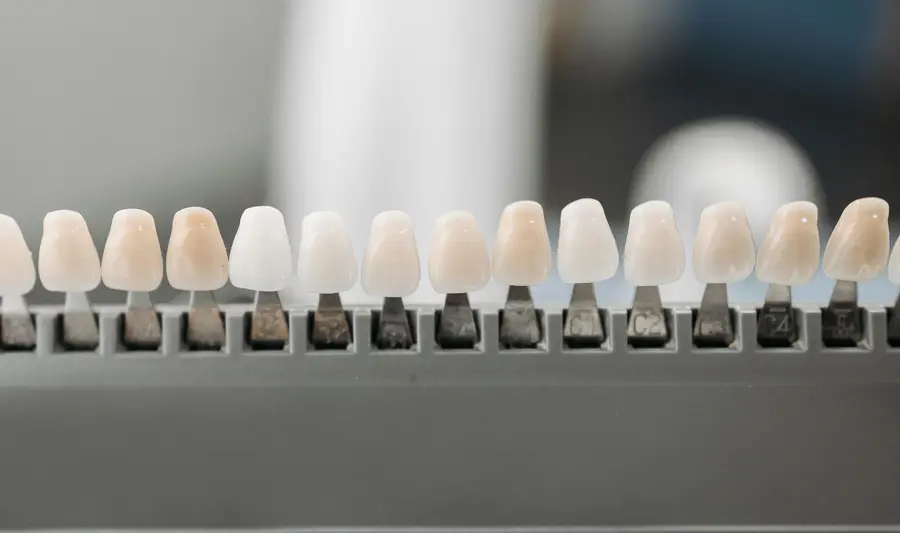
The good news is that modern whitening treatments have been extensively studied, and the research is reassuring. When used correctly, most professional and over-the-counter whitening products do not permanently damage healthy enamel.
However, like many things in dentistry, the full answer is a little more nuanced.
In this article, we'll explain how whitening works, what the research says about enamel safety, why some people experience sensitivity after whitening, and how to choose the safest whitening option for your smile.
What Is Tooth Enamel?
Before discussing whitening, it helps to understand what enamel actually is.
Enamel is the hard outer layer that covers your teeth. It's the strongest substance in the human body—even stronger than bone.
Enamel serves several important functions:
- Protects teeth from decay
- Shields sensitive inner layers
- Helps prevent wear from chewing
- Acts as a barrier against temperature changes
Although enamel is extremely durable, it isn't indestructible.
Common causes of enamel loss include:
- Acidic foods and beverages
- Teeth grinding
- Aggressive brushing
- Acid reflux
- Certain medical conditions
Unlike skin or bone, enamel cannot regenerate once it is permanently lost. That's why protecting it is so important.
How Teeth Whitening Works
To understand whether whitening can damage enamel, we first need to understand how whitening actually works.
Most whitening products contain one of two active ingredients:
- Hydrogen peroxide
- Carbamide peroxide
These ingredients are commonly found in:
- Professional whitening treatments
- Whitening strips
- Whitening trays
- Whitening gels
- Various teeth whitening products
When applied to the teeth, these peroxide compounds release oxygen molecules that penetrate the enamel and break apart stain molecules trapped within the tooth structure.
The stains become less concentrated and less visible, causing teeth to appear brighter and whiter.
Importantly, whitening works chemically—it doesn't scrape, sand, or physically remove enamel.
This distinction is one reason modern whitening is considered much safer than many people assume.
Can Teeth Whitening Damage Enamel?
The short answer is generally no.
Current scientific evidence indicates that properly used whitening treatments do not permanently damage healthy enamel.
According to research published through the National Institutes of Health, peroxide-based whitening treatments are considered safe and effective when used as directed.
Similarly, experts at Johns Hopkins Medicine explain that modern whitening treatments are generally safe for healthy teeth and gums when used appropriately.
That said, whitening can cause temporary changes that are often mistaken for enamel damage.
Let's look at those more closely.
Why Teeth Sometimes Feel Sensitive After Whitening
One reason whitening gets a bad reputation is because many patients experience temporary tooth sensitivity.
This sensitivity may include:
- Cold sensitivity
- Mild discomfort
- Temporary sensitivity to sweets
- Occasional tingling sensations
These symptoms can understandably make patients feel like something harmful is happening to their teeth.
In reality, temporary sensitivity does not usually mean enamel has been damaged.
The whitening process temporarily affects microscopic pathways inside the tooth, making nerves slightly more responsive to temperature changes.
For most patients, this sensitivity resolves within a few days.
Does Sensitivity Mean Enamel Is Damaged?
In most cases, no.
Sensitivity and enamel damage are not the same thing.
Permanent enamel damage involves actual structural loss of enamel.
Temporary whitening sensitivity occurs because whitening ingredients briefly increase permeability within the tooth structure.
Once the whitening process is complete, teeth generally return to normal.
This distinction is important because many online myths incorrectly assume that any whitening-related sensitivity means enamel is being destroyed.
When Whitening Can Cause Problems
Although whitening is generally safe, there are situations where problems can occur.
Overusing Whitening Products
One of the biggest mistakes patients make is over-whitening.
Some people continue treatment longer than recommended because they want even whiter teeth.
Unfortunately, more whitening doesn't always produce better results.
Excessive use may increase:
- Sensitivity
- Gum irritation
- Patient discomfort
Following instructions carefully is one of the easiest ways to protect your enamel.
Whitening Damaged Teeth
Whitening treatments should not be applied indiscriminately.
Patients with:
- Untreated cavities
- Cracked teeth
- Gum recession
- Exposed roots
may experience increased discomfort.
This is one reason a professional evaluation is beneficial before beginning any whitening program.
Teeth Whitening Strips
Many patients specifically wonder whether teeth whitening strips are more dangerous than professional whitening treatments.
Generally speaking, whitening strips use the same basic chemistry as professional whitening.
The primary difference is concentration.
Most whitening strips contain lower levels of peroxide than professional treatments.
When used correctly, whitening strips are generally considered safe for healthy teeth.
Potential side effects include:
- Temporary sensitivity
- Mild gum irritation
- Uneven whitening
These effects are usually temporary and do not indicate permanent enamel damage.
Teeth Whitening Strips for Sensitive Teeth
Many brands now offer teeth whitening strips for sensitive teeth.
These products typically contain lower concentrations of whitening agents.
Benefits include:
- Reduced sensitivity
- More comfortable treatment
- Lower risk of irritation
The tradeoff is that results often develop more slowly.
Patients with significant sensitivity may benefit from consulting a dentist before beginning any whitening treatment.
Teeth Whitening Best Products
When patients search online for the teeth whitening best products, they often encounter hundreds of options.
Popular categories include:
- Whitening strips
- Whitening trays
- Whitening gels
- Whitening toothpaste
- Whitening pens
- Professional whitening systems
The reality is that the "best" product depends on the individual.
Factors that influence success include:
- Type of staining
- Tooth sensitivity
- Existing dental work
- Desired whitening level
Professional guidance often helps patients avoid wasting money on ineffective products.
Teeth Whitening Products: What Should You Avoid?
Ironically, some of the whitening methods that truly can damage enamel aren't professional whitening products at all.
Instead, they're certain DIY remedies that have become popular online.
Acidic Home Remedies
Some people attempt teeth whitening home treatments using:
- Lemon juice
- Apple cider vinegar
- Fruit acids
These substances may temporarily remove surface stains, but they can also erode enamel.
Unlike whitening sensitivity, enamel erosion is permanent.
Excessive Abrasion
Certain whitening methods rely heavily on abrasion rather than whitening chemistry.
Examples include:
- Aggressive charcoal scrubbing
- Excessive polishing
- Overuse of abrasive whitening products
These methods may wear away enamel over time.
Teeth Whitening Baking Soda
One frequently discussed DIY method involves teeth whitening baking soda.
Baking soda can help remove some surface stains because it is mildly abrasive.
However, it does not actually bleach teeth or change the internal color of the tooth structure.
Occasional use is generally safe, but excessive scrubbing with baking soda may contribute to enamel wear over time.
In most cases, professionally designed whitening systems are more effective and predictable.
Teeth Whitening Bleach: Should You Be Concerned?
Many patients become nervous when they hear whitening ingredients described as teeth whitening bleach.
While peroxide-based whitening products technically function as bleaching agents, they are very different from household bleach.
Dental whitening products are specifically formulated for oral use and have been extensively researched.
The word "bleach" often sounds alarming, but in dentistry it simply refers to the chemical process of breaking apart stain molecules.
Teeth Whitening Kit Options
A typical teeth whitening kit may include:
- Whitening trays
- Whitening gel
- LED lights
- Whitening strips
Some kits can provide meaningful results, while others offer only modest improvements.
One limitation of many whitening kits is that they are designed to fit a broad range of patients rather than being customized.
This can sometimes lead to uneven whitening or inconsistent coverage.
Teeth Whitening Gel
Most whitening methods ultimately rely on some form of teeth whitening gel.
The effectiveness of a whitening gel depends on:
- Peroxide concentration
- Application method
- Treatment duration
- Consistency of use
Professional whitening gels often contain higher concentrations and are applied under supervision to maximize results while minimizing discomfort.
Teeth Whitening Home vs Professional Whitening
Many patients compare teeth whitening home options to professional treatments.
Home whitening can be effective for mild to moderate staining.
Advantages include:
- Convenience
- Lower upfront cost
- Flexible scheduling
Professional whitening offers additional benefits:
- Faster results
- Stronger whitening agents
- Customized treatment
- Professional oversight
Patients seeking dramatic improvements often achieve better results through professional whitening.
Teeth Whitening Treatment: Which Option Is Safest?
The safest teeth whitening treatment is usually the one that matches your individual needs.
There is no universal answer.
For some patients, whitening strips work well.
For others, professional treatment is more appropriate.
The most important factors are:
- Healthy teeth
- Healthy gums
- Proper product use
- Realistic expectations
Teeth Whitening Near Me
If you've been searching for teeth whitening near me, it may be worthwhile to schedule a professional evaluation before beginning treatment.
A dentist can determine:
- Whether whitening is appropriate
- Which products are likely to work best
- Whether sensitivity risks exist
- If alternative cosmetic options may be better
Patients interested in improving their smile can learn more through Vero Dental's virtual consultation.
For patients with deeper discoloration that may not respond well to whitening alone, cosmetic options such as porcelain veneers may also be worth considering.
What We Tell Patients at Vero Dental
At Vero Dental, we believe the internet often oversimplifies whitening.
Some sources claim whitening is completely harmless.
Others claim whitening destroys enamel.
The truth is somewhere in the middle.
Our position is straightforward:
When used correctly on healthy teeth, modern whitening treatments are generally safe and do not permanently damage enamel.
However, whitening isn't one-size-fits-all.
Every patient has different:
- Levels of staining
- Sensitivity concerns
- Existing dental restorations
- Cosmetic goals
That's why we focus on personalized recommendations rather than generic solutions.
Our goal is always to help patients achieve a brighter smile while protecting their long-term oral health.
Final Thoughts
If you've been wondering whether whitening damages enamel, the research is encouraging.
Modern whitening treatments—whether professional systems, whitening strips, whitening gels, or whitening kits—are generally safe when used properly.
The biggest risks often come not from professional whitening itself, but from overuse, ignoring existing dental problems, or relying on unproven DIY whitening methods.
If you want the safest and most effective results, a professional evaluation can help determine the best whitening approach for your specific smile.
A brighter smile is absolutely achievable—and with the right approach, you can whiten your teeth while keeping your enamel healthy and strong.
Related posts
Discover the art of enhancing your smile.

Which Tooth Whitener Works Best?
In order to determine the best choice for your teeth, schedule, and budget; you need to understand the differences in the systems.


Thinking About Teeth Whitening? Read This Before You Choose a Kit or a Dentist
If you've ever searched for a brighter smile, you've likely come across countless options for teeth whitening. From whitening strips to professional in-office treatments, the choices can feel overwhelming. So what actually works best? As a cosmetic and general dentist, I’m here to help you navigate the options and make the best decision for your smile, budget, and timeline.
%20(1).png)
How Long Do Clear Aligners Take? What Changes the Timeline for Gaps, Crowding, and Bite Issues
Learn what changes a clear aligner timeline for gaps, crowding, and bite issues, plus the habits that help treatment stay on schedule.