
%20(1).png)
A small chip can be the only thing you see when you look at a photo. A gap you have had for years can suddenly feel more noticeable.
Maybe the edges of your front teeth look uneven, or one tooth has always been a slightly different shape from the rest. When the concern is cosmetic rather than a major structural problem, dental bonding and porcelain veneers are two of the treatments patients often compare first.
Both can create beautiful, natural-looking changes, but they are not interchangeable. Bonding is typically more conservative, quicker, and easier to repair. Veneers generally offer greater stain resistance, durability, and control over a larger smile transformation.
Choosing between them comes down to what you want to change, how many teeth are involved, the condition of your enamel, your bite, your habits, and how long you want the result to last.
What is dental bonding best at fixing?
Dental bonding uses a tooth-colored composite resin that is shaped directly on the tooth and hardened with a curing light. It can be a great option for small chips, minor gaps, uneven edges, subtle shape changes, and localized discoloration.
Because the material is added directly to the tooth, treatment can often be completed in a single visit and usually requires little or no removal of healthy enamel.
That conservative nature is one of bonding's biggest advantages. If a patient has one small chip on an otherwise healthy smile, preparing the tooth for a porcelain veneer may be more treatment than the situation requires. Bonding gives the dentist the ability to rebuild the missing edge and blend it into the surrounding tooth with minimal alteration.
Bonding can also be useful when a patient wants to test a cosmetic change before committing to a more permanent restoration. Because composite can often be modified or repaired, there is flexibility that porcelain does not offer in the same way.
What are porcelain veneers designed to do?
Dental veneers as thin, custom-made shells that cover the front surfaces of teeth.
They are often used when a patient wants to change several aspects of the smile at once, such as color, shape, proportion, small gaps, worn edges, or the appearance of mildly misaligned teeth. A veneer can provide more control over the final contour and shade than a small amount of direct bonding.
Porcelain also resists staining better than composite resin. For patients who drink coffee, tea, or red wine regularly, that can be an important long-term consideration. Veneers are still dental restorations and need regular care, but their surface generally holds its color more predictably than bonding material.
The tradeoff is that porcelain veneers usually require more planning and some enamel preparation. They are considered a long-term commitment because removing enamel changes the tooth permanently. That is why Vero Dental treats veneers as a personalized smile-design decision, not simply an upgrade from bonding.
Bonding vs. veneers for a chipped tooth
For a small chip on one tooth, bonding is often an excellent place to start. The dentist can add composite resin to the missing area, refine the shape, and polish the result so it blends with the natural enamel. It is quick, conservative, and repairable if the edge chips again later.
A veneer may make more sense when the chip is part of a larger aesthetic concern. For example, if the same tooth is also heavily discolored, undersized, worn, or noticeably different in shape from neighboring teeth, a veneer can address several issues at once. Veneers may also be considered when multiple front teeth need a coordinated change in shape and color.
The health of the tooth comes first. A large fracture, deep crack, extensive filling, or structurally weakened tooth may need a crown or another restorative treatment instead of bonding or a veneer. Cosmetic treatment works best when the underlying tooth is healthy enough to support it.
Which option works better for gaps?
Small gaps can sometimes be closed with bonding by adding a carefully shaped amount of composite to the sides of the neighboring teeth. This can be especially useful when the teeth are naturally narrow and the added width improves their proportions. The change can be immediate and does not require moving the teeth orthodontically.
Veneers can also close spaces while changing shape, color, and symmetry across several teeth. If the gap is part of a broader smile makeover, porcelain may provide more consistent control over the final design. However, neither bonding nor veneers should be used to disguise every type of spacing problem without considering the bite.
Sometimes clear aligners are the healthier or more aesthetic first step because moving the teeth allows the space to be closed without making the teeth wider. In other cases, aligners can redistribute space and then bonding or veneers can refine tooth shape. The best cosmetic plan may be a combination rather than a single procedure.
How do bonding and veneers compare for durability and staining?
Bonding is durable enough for everyday use, but composite resin can stain and chip more easily than porcelain. Cleveland Clinic notes that bonding commonly lasts several years before it needs touch-up or replacement, with longevity affected by oral habits and the number and location of teeth treated. Biting pens, chewing ice, nail biting, and using front teeth to tear packages can all shorten the life of bonded edges.
Porcelain veneers generally last longer and are more resistant to staining, but they are not immune to damage. A veneer can chip, fracture, or come loose, especially when exposed to heavy bite forces or untreated grinding. Patients who clench or grind may need a night guard regardless of which cosmetic option they choose.
Neither treatment should be viewed as maintenance-free. Good brushing, daily interdental cleaning, routine professional care, and sensible bite habits protect the natural teeth and the cosmetic work attached to them.
Is bonding always the more affordable option?
Bonding usually has a lower upfront cost because it is completed directly in the office and does not require a custom porcelain restoration from a dental laboratory. For a single chipped tooth or small cosmetic correction, that can make it an especially attractive option.
Cost becomes more nuanced when you compare the same smile over many years. Bonding may need polishing, repair, or replacement more often, while porcelain usually carries a higher initial investment but may offer greater long-term color stability and durability. The “better value” depends on your goals, how many teeth are being treated, and how much maintenance you are comfortable with.
It is also important not to choose based on price alone. A low-cost treatment that cannot create the result you want is not really saving money. Likewise, a full set of veneers is not automatically better simply because it is the more extensive treatment.
How do you choose the right option for your smile?
Start with the smallest treatment that predictably accomplishes your goals while preserving healthy tooth structure. If a small amount of bonding can fix the concern beautifully, that may be the ideal answer. If you want a more comprehensive change in tooth shape, shade, symmetry, and proportion, veneers may provide the control needed to get there.
Your dentist should also consider your bite, gum health, enamel, existing fillings, tooth position, grinding habits, and expectations for the finished smile. Ask to see examples of similar cases and be specific about what you like. “I want better teeth” is difficult to design around; “I like my tooth color, but I want to close this gap and smooth these edges” gives the dentist much more useful direction.
If you are comparing dental bonding and veneers in Lehi, Vero Dental offers both options and approaches them with the same goal: a result that looks like it belongs to you.
Schedule a cosmetic consultation or virtual consultation, show us what bothers you about your smile, and we can explain whether bonding, porcelain veneers, clear aligners, or a combination gives you the most natural path forward.
Related posts
Discover the art of enhancing your smile.
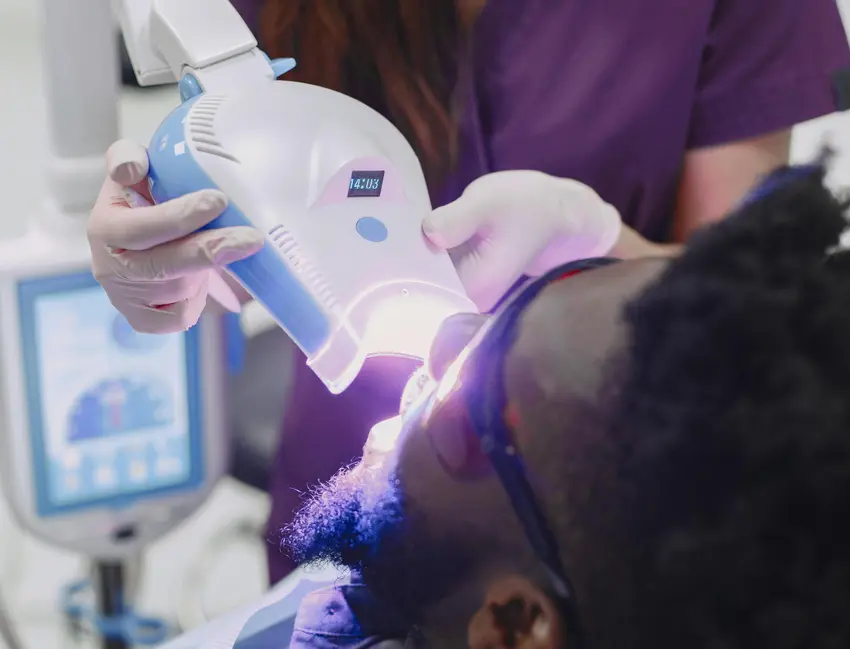
Professional Teeth Whitening: The Fastest Way to Get a Brighter Smile?
A brighter smile is one of the most requested cosmetic dental improvements, and for good reason. White teeth are often associated with health, confidence, and youthfulness. But despite the popularity of whitening products, many people still wonder how whitening actually works and whether it’s safe for their teeth.


Are Braces a Thing of the Past? Why They're Suddenly Making a Comeback
A decade ago, asking whether braces were becoming obsolete might have sounded ridiculous. Today, however, it's a question we hear all the time.

What Is Cosmetic Dentistry? The Secret Behind a Beautiful Smile
If you’ve ever looked in the mirror and wished your smile looked a little brighter, straighter, or more balanced, you’re not alone. A confident, beautiful smile can change how you show up in conversations, photos, and even in your career. That’s where cosmetic dentistry comes in.