
Professional Teeth Whitening: The Fastest Way to Get a Brighter Smile?
A brighter smile is one of the most requested cosmetic dental improvements, and for good reason. White teeth are often associated with health, confidence, and youthfulness. But despite the popularity of whitening products, many people still wonder how whitening actually works and whether it’s safe for their teeth.
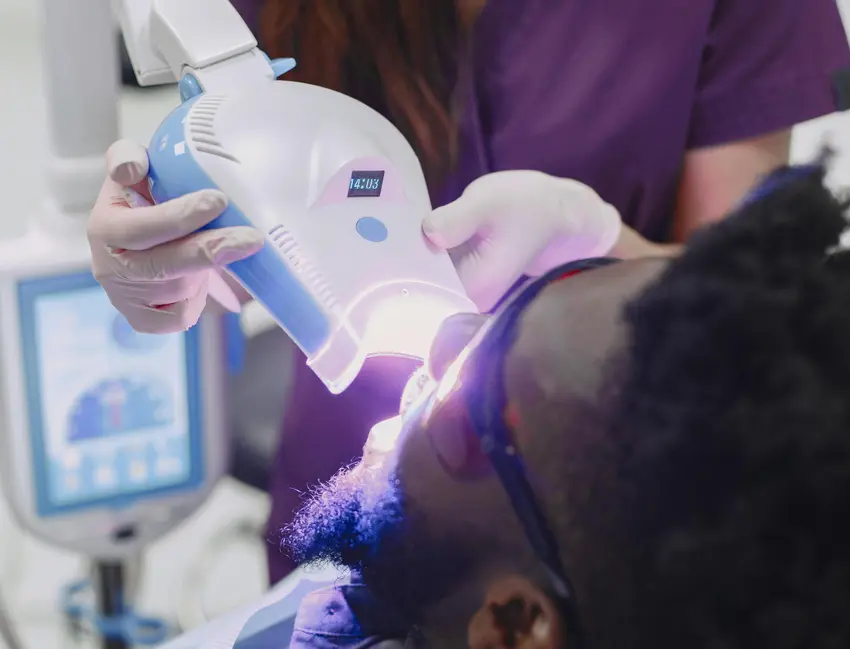
If you've searched for teeth whitening near me, you've likely seen everything from whitening strips and whitening pens to professional treatments performed by a teeth whitening dentist. With so many options available, it can be difficult to know which method is right for you.
In this guide, we'll explain how professional teeth whitening works, compare common whitening options, discuss safety concerns, and help you determine whether a professional teeth whitening treatment is the best choice for achieving your ideal smile.
What Causes Teeth to Become Discolored?
Before understanding how whitening works, it helps to understand why teeth become stained in the first place.
There are two primary types of tooth discoloration: extrinsic stains and intrinsic stains.
Extrinsic Stains
Extrinsic stains occur on the outer surface of the tooth enamel and are typically caused by:
- Coffee
- Tea
- Red wine
- Soda
- Tobacco products
- Dark-colored foods
These are often the easiest stains to remove with a professional whitening treatment.
Intrinsic Stains
Intrinsic stains occur inside the tooth and may result from:
- Aging
- Certain medications
- Excessive fluoride exposure
- Trauma to the tooth
- Genetics
Intrinsic stains are generally more difficult to treat and may require stronger whitening methods or alternative cosmetic treatments.
Why Teeth Naturally Darken With Age
Even if you avoid staining foods and beverages, teeth naturally become darker over time.
As we age, the enamel layer gradually becomes thinner. Since enamel is translucent, the darker dentin underneath becomes more visible, making teeth appear more yellow.
This is one reason why professional teeth whitening remains one of the most popular cosmetic dental procedures among adults.
How Professional Teeth Whitening Works
The science behind whitening is actually fairly simple.
Most whitening products contain either hydrogen peroxide or carbamide peroxide. These ingredients release oxygen molecules that penetrate the enamel and break apart stain compounds within the tooth structure.
As these stain molecules become smaller, they reflect less light and become less visible. The result is a brighter, whiter appearance.
According to research published by the National Institutes of Health, peroxide-based whitening products are highly effective when used appropriately and under professional supervision. Studies continue to support their safety and effectiveness for cosmetic dental treatment.
One common misconception is that whitening "bleaches" healthy enamel away. In reality, properly performed whitening treatments do not remove healthy tooth structure. Instead, they target stain molecules trapped within the enamel and dentin.
Professional Teeth Whitening vs. Store-Bought Products
When researching teeth whitening best options, patients often compare professional treatments to over-the-counter products.
While both can produce results, there are significant differences.
Professional Teeth Whitening
Professional whitening treatments use higher-strength whitening agents and are supervised by a dental professional.
Benefits include:
- Faster results
- More noticeable whitening
- Customized treatment
- Reduced risk of uneven whitening
- Professional monitoring for sensitivity
Many patients see dramatic improvements after a single appointment.
Teeth Whitening at Dentist Offices
One of the most effective whitening options is teeth whitening at dentist offices.
During an in-office treatment:
- Teeth are cleaned and evaluated
- Gums are protected
- Professional-strength whitening gel is applied
- The whitening process is monitored throughout treatment
The entire procedure usually takes about an hour and can significantly brighten teeth in a single visit.
For patients seeking fast results before weddings, vacations, or special events, professional whitening is often the preferred choice.
Teeth Whitening Strips
Teeth whitening strips are one of the most popular over-the-counter whitening products available today.
These thin plastic strips contain peroxide gel and are placed directly onto the teeth for a specified amount of time each day.
Advantages include:
- Affordable
- Easy to use
- Available without a prescription
However, whitening strips may not provide the same level of whitening as professional treatment because they contain lower concentrations of whitening ingredients.
Additionally, strips may not conform perfectly to every tooth, which can sometimes result in uneven whitening.
Teeth Whitening Strips for Sensitive Teeth
Many patients ask whether teeth whitening strips for sensitive teeth are effective.
The answer is yes—but with some limitations.
Specialized whitening strips for sensitive teeth contain lower concentrations of peroxide and are designed to minimize discomfort.
While they may reduce sensitivity, they often require a longer treatment period to achieve the same results.
Patients with existing sensitivity should consult a teeth whitening dentist before beginning any whitening program.
Teeth Whitening Toothpaste
Another common whitening product is teeth whitening toothpaste.
Unlike peroxide-based whitening treatments, most whitening toothpastes work by:
- Removing surface stains
- Polishing enamel
- Preventing new stains from forming
Whitening toothpaste can be helpful for maintaining results after whitening, but it typically cannot change the internal color of the teeth.
In other words, whitening toothpaste is usually best viewed as a maintenance product rather than a complete whitening solution.
Teeth Whitening Pen
A teeth whitening pen is another popular option for patients seeking convenience.
These pens contain whitening gel that is brushed directly onto the teeth.
Benefits include:
- Portable
- Easy application
- Convenient touch-ups
However, whitening pens typically contain lower concentrations of whitening agents than professional treatments and may provide limited results.
Many patients use whitening pens to maintain results after completing a professional whitening program.
How White Can Teeth Actually Get?
One of the most common questions patients ask is how white their teeth can become.
The answer depends on several factors:
- Natural tooth color
- Type of staining
- Age
- Existing dental restorations
- Consistency of treatment
Yellow-toned teeth often respond exceptionally well to whitening treatments.
Gray-toned stains, medication-related discoloration, and certain intrinsic stains may be more resistant.
A consultation with a teeth whitening dentist can help determine realistic expectations.
Is Professional Teeth Whitening Safe?
Safety is one of the biggest concerns patients have regarding whitening.
The good news is that extensive research supports the safety of professionally supervised whitening treatments.
According to experts at Johns Hopkins Medicine, professional whitening is considered safe when performed appropriately and under dental supervision.
The most common side effects include:
Temporary Tooth Sensitivity
Some patients experience increased sensitivity to hot or cold temperatures following treatment.
This sensitivity is usually temporary and resolves within a few days.
Mild Gum Irritation
Improper application of whitening agents can sometimes irritate the gums.
Professional treatment minimizes this risk because protective barriers are used during treatment.
Existing Dental Issues
Patients with untreated cavities, cracked teeth, or gum disease should address those concerns before beginning whitening treatment.
When Teeth Whitening May Not Be Enough
Whitening can dramatically improve many smiles, but it isn't always the best solution for every cosmetic concern.
Some patients may benefit from alternative treatments such as:
Veneers
Veneers can address:
- Severe discoloration
- Uneven teeth
- Chips
- Gaps
Learn more about cosmetic treatment options like porcelain veneers at Vero Dental.
Dental Bonding
Bonding can improve the appearance of chipped or stained teeth.
Crowns
Crowns may be recommended when discoloration is accompanied by significant tooth damage.
Teeth Whitening Utah: What Local Patients Should Know
For patients researching teeth whitening Utah services, it's important to understand that not all whitening treatments are the same.
A customized whitening plan often produces significantly better results than generic over-the-counter products.
Professional evaluation allows your dentist to:
- Identify the cause of discoloration
- Recommend the most effective whitening method
- Reduce sensitivity risks
- Create long-lasting results
Teeth Whitening Lehi, Utah
Patients searching for teeth whitening Lehi, Utah often want a convenient, trustworthy provider who can help them achieve noticeable results safely.
At Vero Dental, we frequently meet patients who have tried multiple whitening products without achieving the results they hoped for.
Many are surprised by how effective professional whitening can be compared to whitening strips, whitening toothpaste, or whitening pens.
What We Believe About Teeth Whitening at Vero Dental
At Vero Dental, we view whitening as one of the simplest and most affordable ways to improve a smile.
However, we also believe whitening should be personalized.
Not every patient has the same type of staining, the same level of sensitivity, or the same cosmetic goals.
Our approach focuses on:
- Natural-looking results
- Long-term oral health
- Conservative treatment recommendations
- Patient education
Rather than recommending the strongest whitening option for everyone, we work with patients to determine which treatment is most appropriate for their specific situation.
We believe the teeth whitening best results come from combining professional guidance with realistic expectations.
Maintaining Your Whitening Results
After completing a whitening treatment, there are several ways to help maintain your results:
- Brush and floss consistently
- Use whitening toothpaste periodically
- Limit staining beverages when possible
- Attend regular dental cleanings
- Consider occasional touch-up treatments
Patients who maintain good oral hygiene often enjoy their whitening results for many months or even years.
Final Thoughts
If you've been considering a brighter smile, professional teeth whitening remains one of the safest, fastest, and most effective cosmetic dental treatments available.
While products like teeth whitening strips, teeth whitening strips for sensitive teeth, teeth whitening toothpaste, and a teeth whitening pen can help maintain or improve minor staining, they typically cannot match the results of professional treatment.
Whether you're searching for teeth whitening near me, teeth whitening Utah, or teeth whitening Lehi, Utah, working with an experienced teeth whitening dentist can help you achieve more predictable and longer-lasting results.
The first step is a consultation to determine the cause of discoloration and identify the whitening solution that best fits your smile goals.
Related posts
Discover the art of enhancing your smile.

The Ultimate Anti-Aging Treatment
Wishing for a whiter smile but not sure how to get it? New to tooth whitening lingo?At VeroDental, we educate patients on the variety of teeth whitening services


Did You Know That You Can Change the Shape of Your Gums?
Most dental patients at Vero Dental know that cosmetic, restorative, and orthodontic dentistry procedures improve the appearance of your smile.

Holiday Dental Emergencies: What You Need to Know
The holiday season is a time for family, friends, and festive celebrations. Unfortunately, dental emergencies can strike at the most inconvenient times, including during the holidays.