
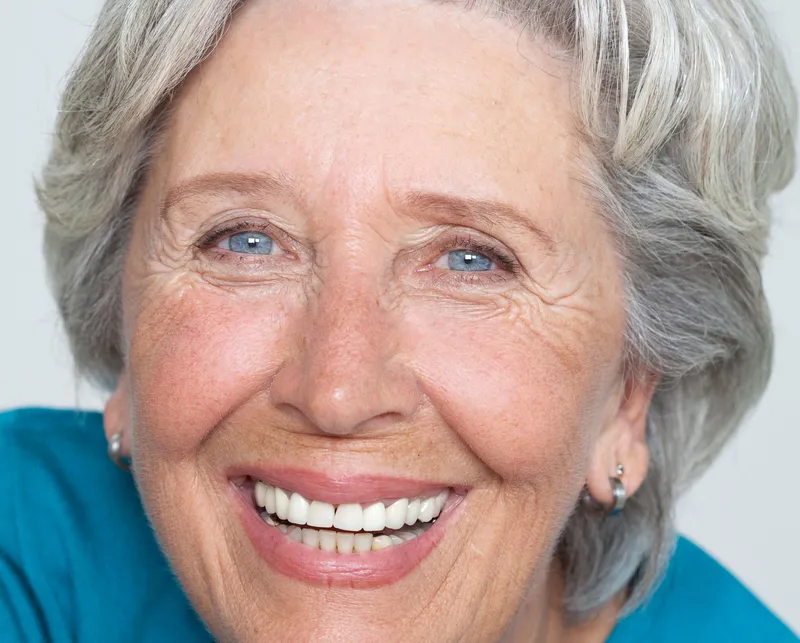
The truth is that age alone rarely prevents someone from improving their smile.
In fact, more seniors than ever are exploring Invisalign and other clear aligner treatments to correct crowded teeth, close gaps, improve bite function, and enhance confidence. Advances in orthodontic technology have made treatment more comfortable, discreet, and accessible than ever before.
As dentists specializing in cosmetic and general dentistry, one of the most common misconceptions we hear is that orthodontic treatment has an age limit. Fortunately, that's simply not true.
In this guide, we'll discuss how Invisalign works for older adults, whether seniors are good candidates, how long Invisalign treatment takes, potential benefits and challenges, and what seniors should know before beginning treatment.
Can Seniors Really Get Invisalign?
Absolutely.
One of the biggest myths in dentistry is that orthodontic treatment is only for younger people.
Teeth Can Move at Almost Any Age
Orthodontic treatment relies on the body's natural ability to remodel bone around teeth.
This process continues throughout life.
Age Is Usually Not the Limiting Factor
In most cases, overall oral health is far more important than age.
A healthy 75-year-old may be a better candidate than a 25-year-old with untreated gum disease.
Growing Demand Among Older Adults
Today, many seniors seek treatment for:
- Crooked teeth
- Crowding
- Gaps
- Bite issues
- Cosmetic improvements
The demand for Invisalign for seniors continues to grow every year.
Why Seniors Choose Invisalign
Older adults often have different priorities than teenagers.
Appearance Matters
Many seniors appreciate that aligners are nearly invisible.
This is one reason searches for Invisalign close to me continue increasing among adults.
Professional and Social Confidence
Whether you're still working, volunteering, traveling, or enjoying retirement, many patients prefer a treatment option that doesn't draw attention.
Comfort
Many seniors find clear aligners more comfortable than traditional braces.
Convenience
Aligners can be removed during meals and oral hygiene routines.
This flexibility is a major benefit.
How Invisalign Works
Before deciding whether Invisalign is right for you, it's important to understand how Invisalign works.
Digital Treatment Planning
Treatment begins with a comprehensive examination and digital scan.
Customized Aligners
A series of custom-made aligners gradually moves teeth into better positions.
Controlled Tooth Movement
Each aligner applies gentle pressure to specific teeth.
Over time, these small movements create significant improvements.
Regular Monitoring
Your dentist monitors progress and ensures treatment remains on track.
This combination of technology and planning has made Invisalign one of the most popular orthodontic systems in the world.
Common Reasons Seniors Seek Orthodontic Treatment
Many seniors are surprised to learn they have more orthodontic concerns than they realized.
Crowded Teeth
Teeth often shift with age.
Gaps Between Teeth
Spacing can develop due to tooth movement or gum issues.
Bite Problems
Misaligned bites may contribute to uneven wear.
Relapse After Childhood Orthodontics
Many adults had braces decades ago but stopped wearing retainers.
As a result, teeth gradually shifted back.
Cosmetic Concerns
A straighter smile often improves confidence and appearance.
How Long Invisalign Treatment Takes for Seniors
A common question is:
How long Invisalign treatment takes for older adults?
The Good News
Treatment time is typically influenced more by case complexity than age.
Mild Cases
Some patients finish treatment within 6–12 months.
Moderate Cases
Many require approximately 12–18 months.
Complex Cases
More extensive treatment may take 18–24 months or longer.
How Long Invisalign Take Overall?
The exact answer depends on:
- Tooth movement required
- Bite correction needs
- Compliance
- Oral health
Most seniors are pleasantly surprised by how manageable the timeline feels.
Are Invisalign Better Than Braces for Seniors?
Patients frequently ask:
Are Invisalign better than braces?
Advantages of Invisalign for Seniors
Clear aligners offer:
- Better aesthetics
- Easier cleaning
- Fewer dietary restrictions
- Greater comfort
Advantages of Braces
Braces may provide additional control for certain complex cases.
Which Is Better?
For many seniors, Invisalign offers significant advantages due to convenience and appearance.
However, the best treatment depends on the individual's needs.
If you're interested in comparing options further, our article on whether braces are becoming obsolete explores the topic in greater detail.
Oral Health Considerations for Seniors
Before beginning Invisalign treatment, oral health should be carefully evaluated.
Gum Disease
Periodontal health is extremely important.
Bone Support
Adequate bone support helps ensure successful tooth movement.
Existing Dental Work
Many seniors have:
- Crowns
- Bridges
- Implants
- Veneers
These restorations don't automatically prevent Invisalign treatment, but they may influence planning.
Comprehensive Evaluation Matters
A thorough dental examination helps identify potential concerns before treatment begins.
Invisalign and Dental Implants
Many seniors wonder whether dental implants disqualify them from aligner therapy.
Can You Get Invisalign With Implants?
Often, yes.
Important Limitation
Unlike natural teeth, implants do not move.
Customized Treatment Planning
The treatment plan must account for any existing implants.
This is one reason professional evaluation is so important.
Invisalign Retainer: Why It Matters After Treatment
One of the most important aspects of orthodontic treatment happens after the aligners come off.
Teeth Naturally Shift
Even after successful treatment, teeth tend to move over time.
Invisalign Retainer Use
An Invisalign retainer helps preserve your results.
Long-Term Stability
Consistent retainer use greatly improves treatment longevity.
This is true for seniors and younger patients alike.
Invisalign How Much Does Treatment Cost?
Cost is one of the most common questions patients ask.
Invisalign How Much?
The answer depends on several factors:
- Treatment complexity
- Geographic location
- Provider experience
- Treatment duration
Mild Cases
Smaller corrections may cost less.
Comprehensive Cases
More extensive treatment often involves higher costs.
A consultation provides the most accurate estimate.
Invisalign Dental Insurance Coverage
Patients frequently ask about Invisalign dental insurance benefits.
Does Insurance Cover Invisalign?
Sometimes.
Coverage varies significantly between plans.
Orthodontic Benefits
Some plans provide:
- Fixed dollar allowances
- Percentage-based coverage
- Lifetime orthodontic benefits
Verify Coverage Early
Reviewing benefits before treatment helps avoid surprises.
Benefits Beyond Appearance
Many people assume orthodontics is purely cosmetic.
That's not always true.
Easier Cleaning
Straighter teeth are often easier to brush and floss.
Improved Oral Health
Better alignment may reduce plaque accumulation.
Reduced Tooth Wear
Improved bite relationships can help distribute forces more evenly.
Increased Confidence
Many patients report improved self-esteem after treatment.
These benefits often extend far beyond aesthetics.
What Questions Should Seniors Ask Before Treatment?
The orthodontic experts at Invisalign's patient education resources encourage patients to discuss treatment goals, timelines, and expectations before starting aligner therapy.
Questions worth asking include:
- Am I a good candidate?
- How long Invisalign treatment takes in my case?
- What results can I realistically expect?
- Will I need retainers?
- What will treatment cost?
Having realistic expectations helps create a better experience.
What Research Says About Adult Orthodontics
According to information from the American Association of Orthodontists, adult orthodontic treatment continues to grow in popularity, and adults now make up a significant portion of orthodontic patients.
This trend reflects growing awareness that orthodontic treatment isn't limited by age.
More adults than ever are investing in healthier, more attractive smiles.
Invisalign Close to Me: Choosing the Right Provider
If you're searching online for Invisalign close to me, don't focus exclusively on convenience.
Experience Matters
Look for providers who:
- Treat adult patients regularly
- Understand restorative dentistry
- Have experience with complex cases
Personalized Care
Every senior has unique dental needs.
The best providers develop individualized treatment plans rather than using a one-size-fits-all approach.
Patients interested in learning more about treatment options can explore our clear aligner services and schedule a consultation.
Our Perspective at Vero Dental
At Vero Dental, we firmly believe that orthodontic treatment does not have an expiration date.
Some of our most grateful patients are older adults who finally decided to address concerns they've lived with for decades.
We don't believe age should determine whether someone deserves a healthy, confident smile.
Instead, we focus on:
- Oral health
- Treatment goals
- Long-term stability
- Patient comfort
For many seniors, Invisalign provides an excellent opportunity to improve both function and aesthetics without the appearance of traditional braces.
Our philosophy is simple:
If your teeth and gums are healthy enough for treatment, it's rarely too late to improve your smile.
Frequently Asked Questions
Is Invisalign Effective for Seniors?
Yes. Many seniors achieve excellent results with clear aligner therapy.
How Long Invisalign Treatment Takes for Older Adults?
Treatment length varies by case complexity but is often similar to younger adults.
Are Invisalign Better Than Braces for Seniors?
Many seniors prefer Invisalign because of aesthetics and convenience, although braces may still be recommended in some situations.
Will I Need an Invisalign Retainer?
Yes. Retainers are typically necessary to maintain results after treatment.
Does Invisalign Dental Insurance Exist?
Some dental insurance plans provide orthodontic benefits that may help offset treatment costs.
Final Thoughts on Invisalign for Seniors
The idea that orthodontic treatment is only for teenagers is outdated.
Today's clear aligner technology allows many seniors to improve their smiles comfortably, discreetly, and effectively. Whether you're hoping to close gaps, correct crowding, improve bite function, or simply feel more confident when you smile, Invisalign may be a viable option.
The key is proper evaluation, thoughtful treatment planning, and realistic expectations.
If you've ever wondered whether you're too old for orthodontic treatment, the answer may be much simpler than you think: you're probably not.
Related posts
Discover the art of enhancing your smile.

Braces for Kids: How to Know If Your Child Really Needs Them
As a parent, few things are more rewarding than seeing your child smile with confidence. But if you've noticed crooked teeth, crowding, gaps, or bite problems, you may be wondering whether braces are in your child's future.


Crowning Glory: The Ultimate Solution for Perfect Teeth
Dental crowns offer a solution for protecting and enhancing teeth. They cover damaged teeth entirely, restoring shape, size, strength, and ...

Porcelain Crowns Unveiled: A Patient's Guide to Lasting Smiles
At VeroDental, we know porcelain crowns offer a versatile and attractive solution for restoring damaged teeth.