
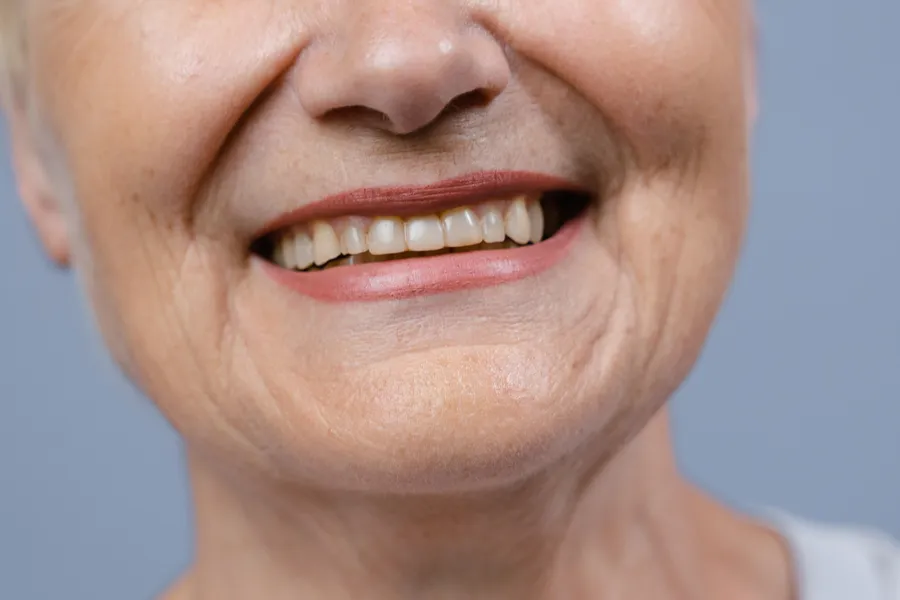
Many people associate stained teeth with coffee, tea, red wine, or tobacco use. However, minerals found in hard water can also contribute to tooth discoloration over time. While hard water itself isn't necessarily harmful, certain mineral deposits and contaminants can leave noticeable stains on teeth, especially when combined with plaque buildup and poor oral hygiene.
As dentists specializing in cosmetic and general dentistry, we frequently hear questions about hard water stains on teethand whether they can be removed. The good news is that in many cases, these stains can be treated successfully with professional dental care and preventive measures.
In this guide, we'll explain what hard water stains are, how they develop, how they differ from other types of tooth discoloration, and what you can do to restore a brighter smile.
What Are Hard Water Stains on Teeth?
Hard water contains elevated levels of dissolved minerals, particularly:
- Calcium
- Magnesium
- Iron
- Manganese
These minerals are generally safe to consume, but they can sometimes contribute to staining and mineral deposits on teeth.
Why Hard Water Can Affect Tooth Appearance
When water contains high levels of certain minerals—especially iron—it may leave behind surface stains over time.
According to a report published by Dental Tribune, drinking water with elevated iron concentrations may contribute to tooth staining in some individuals.
The staining is usually extrinsic, meaning it affects the outer surface of the teeth rather than the internal tooth structure.
What Causes Hard Water Stains on Teeth?
Several factors can contribute to staining associated with hard water.
Iron in Drinking Water
Iron is one of the most common culprits.
When water contains elevated iron levels, it can create:
- Yellow stains
- Brown stains
- Orange discoloration
Over time, these stains may become more noticeable.
Mineral Buildup
Hard water minerals can interact with plaque and tartar deposits.
This combination may increase the likelihood of visible discoloration.
Existing Plaque Accumulation
Minerals tend to adhere more easily to plaque-covered surfaces.
This means patients with significant plaque buildup may notice staining more quickly.
Poor Oral Hygiene
Inadequate brushing and flossing can accelerate stain accumulation by allowing minerals and bacteria to remain on tooth surfaces.
Hard Water Stains vs. Other Types of Tooth Stains
Not all discoloration is caused by hard water.
Understanding the difference can help determine the best treatment approach.
Extrinsic Stains
Extrinsic stains occur on the outer enamel surface.
Common causes include:
- Coffee
- Tea
- Tobacco
- Red wine
- Hard water minerals
These stains are often removable through professional treatment.
Intrinsic Stains
Intrinsic stains develop inside the tooth structure.
Common causes include:
- Trauma
- Certain medications
- Fluorosis
- Aging
Intrinsic stains are typically more difficult to remove.
Tartar-Related Discoloration
Plaque that hardens into tartar can create yellow or brown discoloration that may resemble hard water stains.
A professional teeth cleaning dentist can determine the actual cause.
Signs That Hard Water May Be Affecting Your Teeth
How can you tell if hard water is contributing to discoloration?
Surface Staining
Many patients notice:
- Yellow patches
- Brown discoloration
- Orange spots
These stains often appear near the gumline.
Mineral Deposits Elsewhere in the Home
If you notice:
- Mineral buildup on faucets
- White residue on dishes
- Water spots on glass
your home's water supply may contain elevated mineral levels.
Gradual Color Changes
Unlike sudden discoloration caused by trauma, hard water stains typically develop gradually over time.
Can Hard Water Damage Teeth?
This is one of the most common questions we hear.
The Good News
In most cases, hard water itself does not directly damage teeth.
In fact, calcium and magnesium are minerals naturally found in healthy teeth.
Potential Concerns
The primary concern is cosmetic staining rather than structural damage.
However, if mineral deposits combine with plaque accumulation and poor oral hygiene, the risk of cavities and gum disease may increase.
This is why preventive dental care remains so important.
Hard Water Stains and Oral Hygiene
Proper oral hygiene can significantly reduce stain accumulation.
Brushing
Brushing twice daily helps remove:
- Plaque
- Bacteria
- Surface deposits
Flossing
Flossing removes debris and plaque between teeth where minerals may accumulate.
Professional Dental Care
Even excellent home care cannot remove hardened tartar.
This is where routine dental visits become essential.
Teeth Cleaning Near Me: One of the Best Solutions for Hard Water Stains
Many patients searching online for teeth cleaning near me are concerned about discoloration.
Professional dental cleanings are often the first and most effective step.
How Professional Cleanings Help
Professional cleanings remove:
- Plaque
- Tartar
- Surface stains
- Mineral deposits
A skilled teeth cleaning dentist can often eliminate much of the discoloration caused by hard water and plaque buildup.
Why Home Remedies Often Fall Short
Many over-the-counter products promise stain removal.
However, they frequently fail to address:
- Hardened tartar
- Mineral deposits
- Deep surface staining
Professional care is usually more effective and safer.
Learn more about our professional dental cleaning services and how routine cleanings help maintain a healthier, brighter smile.
Dental Exam and Cleaning: Why Diagnosis Matters
Before treating tooth discoloration, it's important to understand the underlying cause.
A comprehensive dental exam and cleaning allows your dentist to evaluate:
- Stain type
- Plaque levels
- Tartar accumulation
- Enamel health
- Gum health
Not all stains respond to the same treatment.
Accurate diagnosis ensures the most effective approach.
Teeth Whitening for Hard Water Stains
What if a professional cleaning doesn't completely remove the discoloration?
Professional Teeth Whitening
Many patients benefit from professional whitening treatments after a cleaning.
Professional whitening can help address:
- Residual staining
- General discoloration
- Uneven tooth color
Why Whitening Works Better After Cleaning
Removing plaque and tartar first allows whitening agents to contact the tooth surface more effectively.
Patients interested in improving the appearance of stained teeth often explore our professional teeth whitening treatments after completing a cleaning.
Over-the-Counter Whitening Products
While some whitening products can help with mild staining, professional treatments generally produce more predictable results.
Can Water Softeners Prevent Tooth Staining?
Many homeowners with hard water consider installing water softeners.
What Water Softeners Do
Water softeners help reduce:
- Calcium levels
- Magnesium levels
- Mineral buildup
Potential Benefits
Reducing mineral content may decrease future staining.
However, results vary depending on the specific minerals present in the water supply.
Water Testing
If you suspect your water is contributing to staining, professional water testing may provide useful information.
Other Factors That Can Make Hard Water Stains Worse
Hard water isn't always acting alone.
Coffee and Tea
Dark beverages can amplify staining.
Smoking
Tobacco use significantly increases discoloration risk.
Poor Oral Hygiene
Plaque creates a sticky surface where stains accumulate more easily.
Infrequent Dental Visits
Skipping routine cleanings allows stains and tartar to build up over time.
Dental Exam Near Me: When Should You See a Dentist?
If you've noticed persistent discoloration, searching for a dental exam near me is often a smart next step.
Schedule an Evaluation If You Notice:
- New staining
- Brown spots
- Orange discoloration
- Persistent yellowing
- Uneven tooth color
A dentist can determine whether the issue involves:
- Hard water stains
- Tartar buildup
- Tooth decay
- Enamel changes
- Other oral health concerns
Early evaluation often leads to simpler treatment.
The Science Behind Tooth Staining
Research published through the National Library of Medicine has demonstrated how various external factors contribute to extrinsic tooth discoloration.
The study highlights how environmental exposures, oral hygiene habits, and mineral interactions can influence the appearance of teeth over time.
This is one reason why two people living in the same area may experience different levels of staining depending on their habits and oral health.
How to Prevent Hard Water Stains on Teeth
Fortunately, prevention is possible.
Maintain Excellent Oral Hygiene
Brush twice daily and floss every day.
Stay Consistent With Professional Cleanings
Routine visits help remove deposits before stains become severe.
Monitor Your Water Supply
If hard water is a concern, consider testing your water.
Limit Other Staining Sources
Reducing coffee, tea, tobacco, and red wine can help minimize discoloration.
Schedule Regular Dental Exams
Routine evaluations allow dentists to identify problems early.
Our Perspective at Vero Dental
At Vero Dental, we understand that tooth discoloration can affect confidence just as much as oral health.
Many patients worry that stained teeth automatically mean poor hygiene, but that's often not the case. Factors like hard water, mineral content, medications, genetics, and environmental exposures can all contribute to discoloration.
Our philosophy is simple:
First identify the cause.
Then choose the least invasive and most effective treatment.
Whether the solution involves a professional cleaning, whitening treatment, improved oral hygiene, or preventive care, our goal is to help patients achieve healthy, confident smiles.
We also strongly believe that prevention is always better than correction. Regular cleanings and exams remain some of the most effective tools for maintaining bright, healthy teeth over the long term.
Frequently Asked Questions
Can Hard Water Stain Teeth?
Yes. Water containing elevated levels of minerals, particularly iron, can contribute to surface staining.
Are Hard Water Stains Permanent?
Not usually. Many hard water stains can be improved through professional cleanings and whitening treatments.
Will Brushing Remove Hard Water Stains?
Brushing helps reduce buildup, but professional treatment is often required for more significant staining.
Can a Teeth Cleaning Dentist Remove Hard Water Stains?
In many cases, yes. Professional cleanings can remove plaque, tartar, and many types of surface stains.
Should I Schedule a Dental Exam and Cleaning for Stained Teeth?
Absolutely. A dental evaluation helps determine the cause of discoloration and identify the best treatment options.
Final Thoughts on Hard Water Stains on Teeth
Hard water stains on teeth are more common than many people realize. While hard water itself usually doesn't damage teeth, the minerals it contains can contribute to yellow, brown, or orange discoloration over time.
The good news is that most hard water stains are treatable. Professional cleanings, whitening treatments, excellent oral hygiene, and preventive dental care can all help restore a brighter smile.
If you've noticed persistent staining and aren't sure what's causing it, a professional dental evaluation can provide answers and help you choose the most effective path forward.
Related posts
Discover the art of enhancing your smile.

Persistent Dry Mouth?
Many residents in our Lehi community experience dry mouth occasionally. Some develop dry mouth in social situations or when they are under a lot of stress.


Tooth Tips For Traveling
If you will be leaving on an extended trip, make sure it won't interfere with any dental needs.I

How Do I Choose One of These Toothpastes?
IN THE PHARMACY section of every grocery store, one side of an entire aisle...