
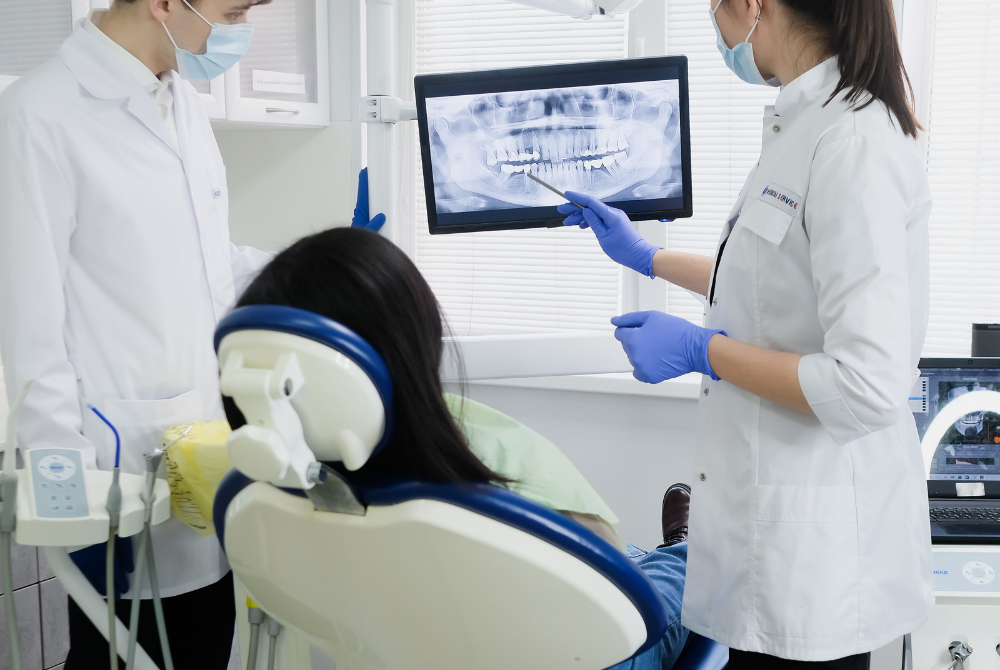
Being told you need a filling is one thing. Being told you may need several crowns, an implant, a root canal, extensive cosmetic work, or a larger treatment plan can feel very different. Even when you trust the dentist who made the recommendation, it is reasonable to want a clearer understanding before committing to treatment that may involve significant time, cost, or changes to your teeth.
A dental second opinion is not automatically a sign that the first dentist was wrong. Often, it is simply another opportunity to confirm the diagnosis, understand the alternatives, and make sure the plan fits your priorities. If you are looking for a dentist in Lehi because you want another perspective on major treatment, the most useful appointment is one built around records, careful examination, and specific questions rather than a quick yes-or-no answer.
When is a dental second opinion useful?
A second opinion may be worth considering when the proposed treatment is extensive, irreversible, expensive, or difficult for you to understand. That can include replacing several restorations, removing a tooth, planning dental implants, deciding between a crown and another restoration, considering a large cosmetic case, or comparing different ways to rebuild a worn or damaged smile.
It can also be helpful when two things do not seem to match: your symptoms and the recommendation. A tooth that feels completely normal can still have a real problem on an exam or X-ray, but you should understand what the dentist sees and why treatment is being recommended. On the other hand, severe symptoms can sometimes have more than one possible cause, which is another reason a careful diagnosis matters.
The American Dental Association's ethics guidance specifically recognizes second opinions as a legitimate part of dental care. A consulting dentist should give the requested opinion based on the patient's interests and the available clinical information, not on a desire to compete for treatment.
A second opinion is most useful when you bring the right information
If possible, ask your first dental office for copies of the records that relate to the proposed treatment. That may include recent X-rays, photographs, scans, periodontal measurements, treatment notes, or a written treatment plan. Bringing the original recommendation helps the second dentist understand what has already been considered instead of starting from a vague description such as, "I was told I need a lot of work."
A new dentist may still need to take additional images or perform another exam. That does not necessarily mean the first records were inadequate. The second provider is responsible for making an independent diagnosis and may need a different view, updated image, or clinical test before giving an opinion.
Under HIPAA, patients generally have a right to access copies of health records maintained by covered providers. HHS guidance also notes that records can include items such as clinical notes and X-rays. Knowing that can make the logistics of a second opinion less intimidating, especially if you have never requested your dental records before.
What should you ask the second dentist?
The most useful second opinion is not simply, "Do you agree?" Ask the dentist to explain the diagnosis in their own words. What problem are they trying to solve? What happens if you monitor the area instead of treating it now? Are there conservative alternatives? Which part of the plan is urgent, and which part could reasonably wait?
If the recommendation involves a tooth that may need a crown, ask what makes the tooth too weak for a filling or other repair. If an extraction and implant are being discussed, ask whether the tooth is realistically restorable, what alternatives exist for replacing it, and what factors affect the implant plan.
The ADA's informed-consent guidance emphasizes discussing reasonable alternatives, their risks and benefits, and the option of no treatment when appropriate. That is a useful framework for any major dental decision: diagnosis, options, tradeoffs, and timing should make sense before you move forward.
What if the two dentists disagree?
Two thoughtful dentists can sometimes recommend different approaches without either one being careless. Dentistry often includes judgment calls. One clinician may prefer to monitor a borderline restoration while another recommends replacing it. One may believe a damaged tooth can be predictably restored while another may be more concerned about its long-term prognosis. Cosmetic plans can vary even more because patient preferences matter alongside function and health.
When opinions differ, compare the reasoning rather than counting votes. Ask each dentist what evidence is driving the recommendation, what risks they see, and what outcome they are trying to achieve. If one plan is more aggressive, ask what additional problem it is intended to solve. If one plan is more conservative, ask what would trigger treatment later.
It can also help to separate diagnosis from treatment preference. The dentists may agree that a tooth is cracked, for example, but disagree about the best restoration. Understanding where the disagreement actually begins makes the decision much easier to evaluate
A second opinion should not delay an urgent problem
Not every situation is a good candidate for a long comparison process. Significant swelling, uncontrolled bleeding, trauma, severe or rapidly worsening pain, signs of spreading infection, or other urgent symptoms may need prompt evaluation. If a dentist explains that waiting could create a meaningful health risk, ask them to show you why and what needs to happen next.
For non-emergency treatment, however, complex decisions often benefit from enough time to understand the plan. The ADA notes that informed consent for more complex care should be obtained far enough in advance for the patient to consider the information and ask questions. Feeling informed is different from feeling pressured.
Should you tell the second dentist you are getting another opinion?
Yes. There is no need to hide it. A straightforward explanation such as, "I was given this treatment plan and would like another perspective before I decide" gives the dentist useful context. Bring your questions and be specific about what is making you uncertain: the diagnosis, number of procedures, sequence, cost, expected longevity, or whether there are less invasive choices.
A good second-opinion visit should help you understand the decision better even if the recommendation ultimately matches the first plan. Confirmation has value, particularly when you are preparing for a major restorative or cosmetic commitment.
How to choose what to do after the second opinion
Once you have both recommendations, look beyond price alone. Compare what each plan is treating, how much healthy tooth structure is affected, the expected maintenance, the number of visits, treatment sequence, and what happens if you choose to wait. Ask which parts are medically or functionally important and which are elective.
Your relationship with the dental team matters too. Major treatment is easier when you feel comfortable asking questions and when the dentist can explain uncertainty without overselling certainty. A personalized plan should account for your oral health, priorities, schedule, and budget rather than pushing every patient toward the same solution.
If you want a dental treatment plan second opinion from a dentist in Lehi, Vero Dental can review your concerns, examine the relevant teeth, and explain what we see. Bring any available X-rays and treatment records, and we can help you understand the options before you make a major decision.
Related posts
Discover the art of enhancing your smile.

General and Family Dentistry in Lehi
Are you looking for a general and family dentistry practice in the Lehi area? If so, you've come to the right place. We are taking new patients at VeroDental.


Trust doctor Harris For Accurate Dental Info
Dental patients are more informed than ever before and it's not surprising that much of their knowledge about oral health and dental treatment is gleaned from online sources.

What Myths Has Modern Dentistry Debunked?
FOR AS LONG AS there have been people, there has been tooth decay, but people in past civilizations didn’t..